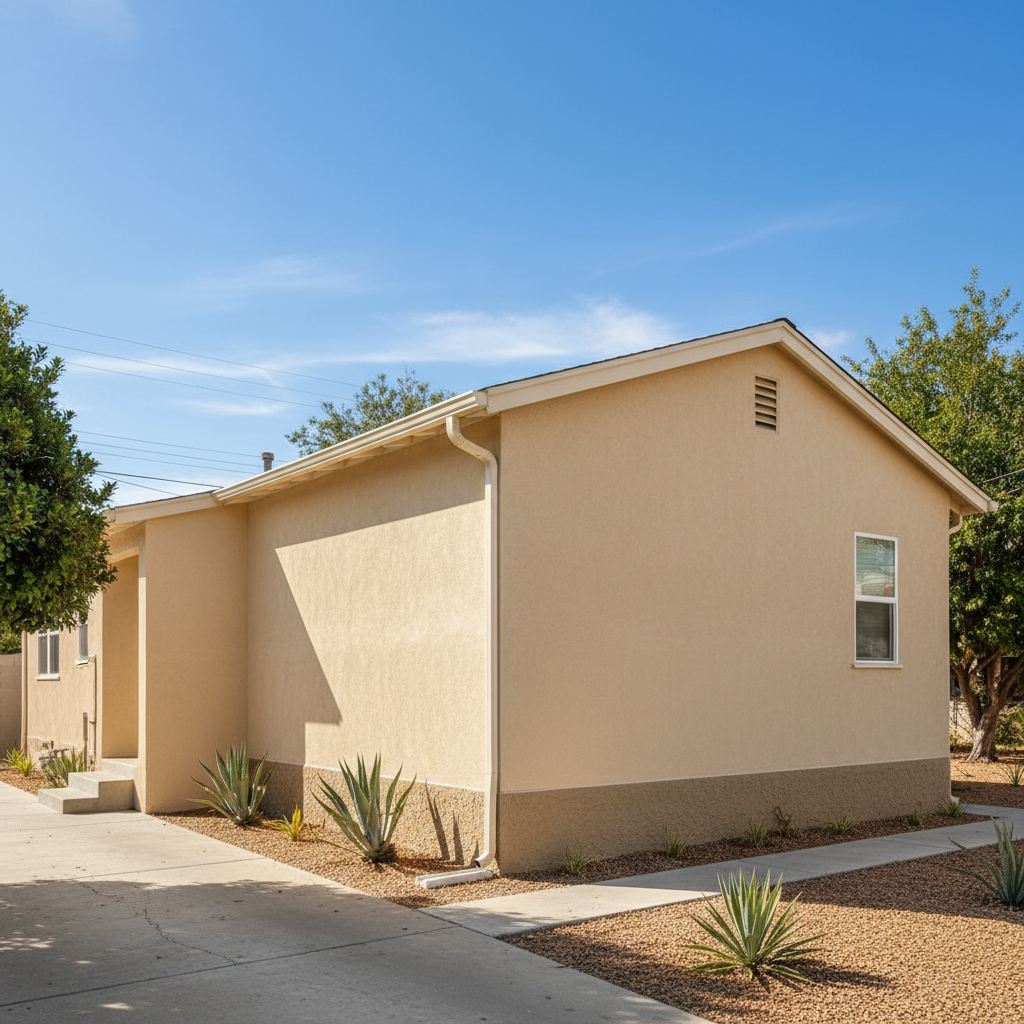
So, you're thinking about getting your stucco looked at? Maybe you're buying a new place, selling your current one, or just noticed something a little off with your walls. Smart move, really. Stucco's tough, sure, but it's not invincible, especially with our Riverside heat and those occasional downpours.
Why Even Bother with a Stucco Inspection?
Look, I've been doing this work for years, and I've truly seen it all. A good stucco inspection isn't just about finding problems; it's about stopping bigger, more expensive ones from popping up later. Water intrusion, for example, can be a real silent killer. It sneaks in behind the stucco, rots out your sheathing, and before you know it, you're facing thousands in repairs instead of a few hundred for an inspection. What a headache, right?
If you're buying a house, especially an older one in spots like Victoria Avenue or the Canyon Crest neighborhood, a stucco inspection is a must-do. You definitely don't want to inherit someone else's hidden water damage issues. For sellers, it's a smart way to get ahead of any concerns and make the sale process smoother.
What Makes a Stucco Inspection Cost More or Less?
You want numbers, I get it. But first, let's talk about why those numbers can jump around. It's not a one-size-fits-all kind of deal.
- Size of the House: This is probably the biggest thing. A small 1,200 sq ft ranch house will naturally cost less to inspect than a sprawling 3,500 sq ft two-story. More walls, more corners, more windows — that all means more time and effort.
- Type of Inspection: Are we just talking about a visual walk-around, or a full-blown invasive inspection with moisture meters and probes? A visual check is cheaper, but it's kind of like seeing just the tip of an iceberg. An invasive one gives you the whole picture, but it's obviously more involved.
- Accessibility: Is the property easy to get around? Are there overgrown bushes, steep slopes, or areas that need special equipment like scaffolding or a lift? The harder it is to access, the more time it takes, and time, as they say, is money.
- Age of the Stucco: Older stucco might need a more thorough inspection because it's simply had more time to develop issues.
- Inspector's Experience & Reputation: Just like with anything else, you usually get what you pay for. A really experienced inspector with a solid reputation might charge a bit more, but their expertise can save you a fortune down the road.
Typical Cost Ranges in Riverside, CA
Alright, let's get down to brass tacks. Based on what I've seen and what we charge here at Riverside Stucco & Plastering, here's a general breakdown:
- Basic Visual Inspection (Exterior Only): For a standard 1,500-2,500 sq ft single-story home, you're usually looking at anywhere from $300 to $600. This is a good starting point if you just want a professional eye to spot obvious cracks, efflorescence, or minor damage.
- Comprehensive Visual Inspection (Exterior & Interior for signs of damage): For that same size home, this might run you $500 to $900. It includes a more detailed look at the exterior and an interior check for signs of water intrusion (like stains or mold) that might point to stucco problems.
- Invasive Moisture & Damage Assessment: This is the big one. For a 1,500-2,500 sq ft home, expect to pay anywhere from $800 to $1,500+. This involves using specialized tools like moisture meters, and sometimes even drilling small, discreet holes to check for moisture behind the stucco. Don't worry, these holes get patched up afterward, of course. For larger, more complex homes (3,000+ sq ft or multiple stories), this can easily go north of $2,000.
Keep in mind, these are just ranges. Always get a written quote specific to your property.
What Should a Quote Include?
When you get a quote for a stucco inspection, make sure it's super clear about what you're actually paying for. A good quote should spell out:
- The type of inspection (visual, invasive, etc.).
- Which areas of the property will be inspected (all exterior walls, specific problem spots, interior walls next to stucco).
- The tools that will be used (ladders, moisture meters, probes).
- What kind of report you'll receive (a simple checklist, a detailed written report with photos, recommendations for repair).
- Whether minor repairs (like patching probe holes) are included.
- Any extra fees for travel, difficult access, or rush service.
How to Avoid Overpaying (and Underpaying)
First off, don't just go with the cheapest guy you find on Craigslist. A super low price often means a super quick, superficial inspection that won't tell you anything useful. You'll probably end up paying more in the long run when the real problems finally surface.
On the flip side, don't just accept the first high quote you get. Grab at least two, preferably three, quotes from reputable local stucco contractors or specialized inspectors. Ask for references and check their reviews, too. Make sure they're licensed and insured.
Be clear about what you expect. If you're worried about a specific crack or a damp spot, point it out. The more information you give the inspector upfront, the better and more focused their inspection will be. A proper stucco inspection is an investment in your home's health, and frankly, your own peace of mind. It's not a place to cut corners. If you've got questions about your stucco, give us a call at Riverside Stucco & Plastering. We're always happy to talk you through it.