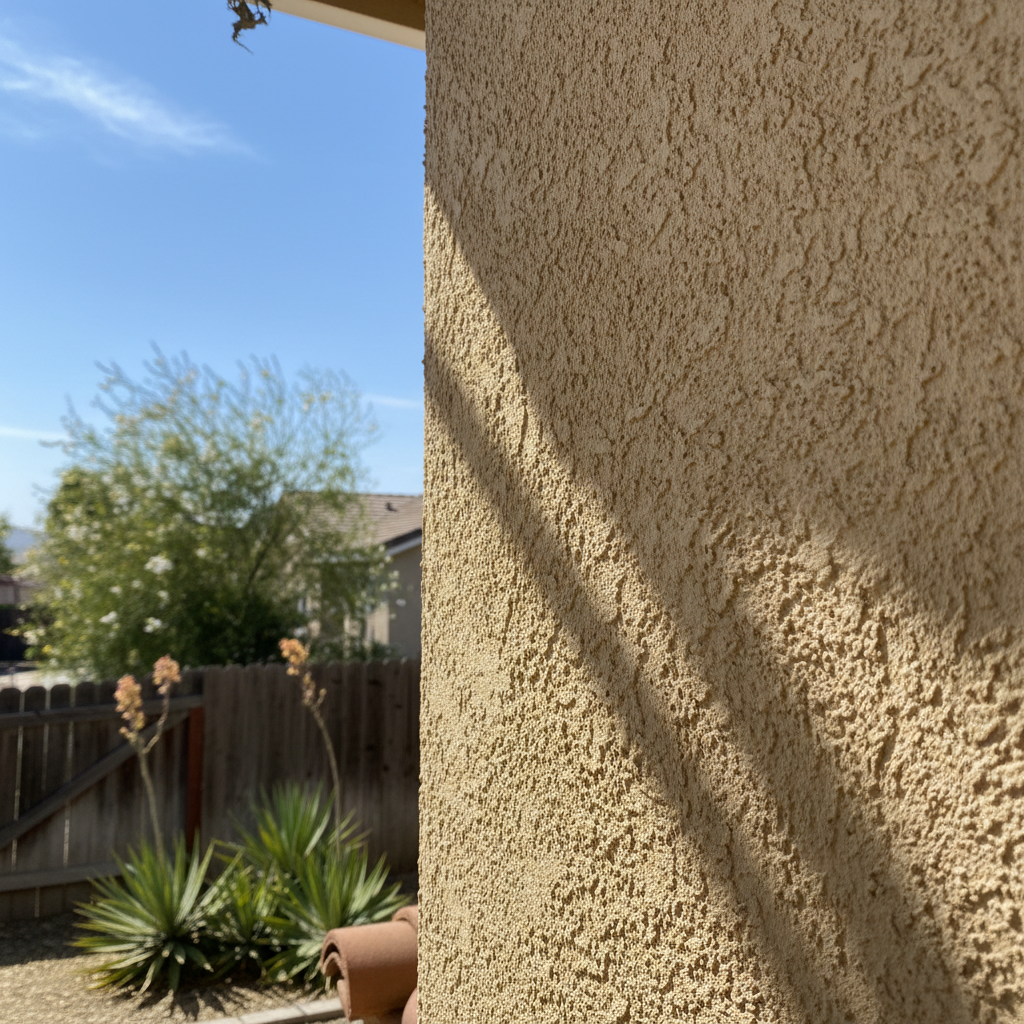
Alright, let's talk about stucco inspections. If you've got a stucco home here in Riverside — whether it's an older place or something newer — you definitely want to make sure it's doing its job: protecting your biggest investment. A lot of folks figure they need a full-blown inspection every other week, but honestly, there's plenty you can keep an eye on yourself. Knowing what to look for can save you a ton of headaches down the road, and it helps you figure out if you really need to call in a pro.
Before You Even Start Looking
Before you grab a ladder or even step outside, take a minute to think about your home's history. Has it ever had issues with water getting in? Any strange smells inside, especially after it rains? Did you change your landscaping recently in a way that might send water somewhere new? Knowing these things gives you a real head start on where to focus. Also, consider how old your stucco is. Older homes, particularly those built before modern building codes came along, might have different weak spots than newer constructions. For example, some of those charming older homes in the Wood Streets neighborhood probably have original stucco that's really endured Riverside's hot, dry summers and occasional heavy rains over many decades. That's a lot for any material to handle.
What You Can Check Yourself (The DIY Part)
This isn't about tearing into your walls, okay? It's really just about visual checks and using some common sense. You're looking for signs of trouble, not trying to figure out the exact root cause. Here’s a quick list to get you started:
- Cracks: Not every crack is a big deal. Hairline cracks? Those are usually just cosmetic, especially on older stucco. But if you spot cracks wider than a credit card, or ones that run horizontally or in a stair-step pattern, those are definite red flags. Pay extra attention around windows, doors, and where different materials meet.
- Stains: Dark streaks, particularly below windows or at the bottom of walls, often mean water is getting in and running down. Greenish stains could be algae, which isn't always a structural problem, but it definitely tells you there's been moisture hanging around for a while.
- Bulges or Soft Spots: Gently press on the stucco in different areas. If it feels soft, spongy, or bulges out, that's a serious worry. It usually means the lath underneath is corroding or the sheathing is rotting from water damage.
- Missing or Damaged Flashing: Flashing is that metal or plastic strip around windows, doors, and rooflines that's supposed to direct water away. If it's bent, missing, or wasn't put in right, water will absolutely find a way inside.
- Drainage: Take a look at your gutters and downspouts. Are they clogged up? Do they actually send water away from your foundation? If water is pooling right up against your stucco, you're just asking for trouble.
- Landscaping: Are shrubs or trees growing right up against your stucco? They can trap moisture there and even damage the surface. Keep those plants trimmed back a few inches, please.
Try doing these checks a couple of times a year, maybe after a big storm or when the seasons change. It really doesn't take long, and you'll start to get a feel for what's normal for your house.
When to Call a Pro (The "Don't DIY" Part)
So, you've done your visual inspection, and you've found something that makes you nervous. Or maybe you're just buying a new house and want a really thorough check before you sign on the dotted line. That's when you call in someone like us at Riverside Stucco & Plastering. Here’s why, and what we actually do:
- Deep Dive: We don't just look around; we use specialized tools. Moisture meters, for instance, can find hidden water behind the stucco without tearing anything out. We know exactly where to probe and what the readings mean.
- Experience: We've honestly seen it all. We can tell the difference between a cosmetic crack and one that points to structural movement or water damage. We also know the common failure points for homes right here in our area.
- Access: We can safely reach those tricky spots on higher levels or around complex architectural features that you might easily miss.
- Diagnosis & Solutions: A professional inspection isn't just about finding problems; it's about understanding why they're happening and then recommending the right fix. Sometimes it's a simple repair, other times it's a bigger project to stop future issues.
- Confidence: If you're selling or buying, a professional stucco inspection report can be super valuable for negotiations or just for your own peace of mind.
Don't wait until you see major damage inside your home, because by then, the problem has probably been brewing for a while and will cost more to fix. A little proactive checking on your part, combined with a professional eye when you need it, keeps your stucco healthy and your home protected.
After the Inspection
Whether you did a DIY check or had us come out, the next step is to act. If you found minor issues you can handle yourself, like clearing gutters or trimming plants, get to it. If you've got professional recommendations, get some quotes and get them scheduled. Ignoring problems, especially water-related ones, only makes them worse. Your stucco is like your home's skin; keep it in good shape, and it'll keep you dry and comfortable for years to come.