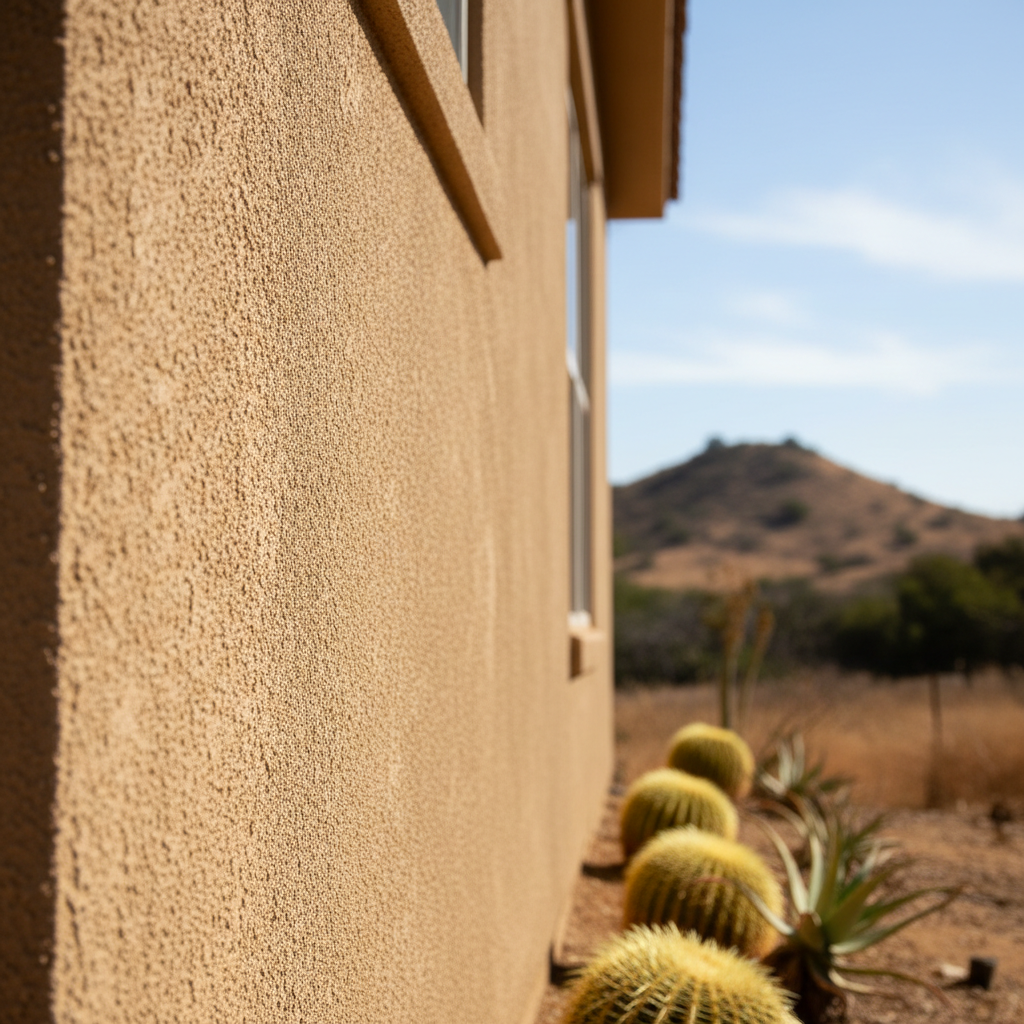
So, you're looking at your home's exterior and maybe thinking about stucco. Perhaps it's time for a fresh look, or you've just got some minor damage you'd like to fix up. Stucco's actually a really good choice for homes right here in Riverside; it's tough, looks sharp, and handles our hot summers and the occasional rain pretty well. But before you dive in, there are a few things you really should know, wouldn't you agree?
Before You Start: Getting Your Stucco Project Ready
Planning is absolutely crucial, just like with any home improvement project. You definitely don't want to start tearing things apart only to realize you're in way over your head. First off, figure out what kind of stucco work you're actually planning to do. Are you patching a small crack? Resurfacing an entire wall? Or maybe putting stucco on a brand new addition? The size of the job pretty much dictates everything else.
For small patches, like those tiny hairline cracks or minor dings, you might be able to handle it yourself. You'd need to clean the area, maybe chip away any loose bits, put on a bonding agent, and then fill it with a pre-mixed stucco patch. It's not brain surgery, but getting the texture to match your existing stucco can be surprisingly tricky. That's usually where a lot of DIYers mess up – ending up with a patch that just screams "I did this myself!"
Now, if you're talking about anything bigger – say, a whole wall or a major repair where water might be getting in – please, for your own good, call a professional. You absolutely do not want to mess around with water intrusion, especially with our occasional heavy downpours. A tiny leak can quickly turn into a massive problem with rot and mold behind your walls, and trust me, that's a headache nobody needs.
Oh, and don't forget the weather. You really don't want to be doing stucco work in the middle of a heatwave, or when rain is in the forecast. Stucco needs specific conditions to cure just right. Here in Riverside, our dry air is generally a plus, but extreme heat can make it dry too fast, which often leads to cracks. Early mornings or late afternoons are usually your best bet if you're tackling small outdoor patches yourself.
During the Project: What to Expect and When to Call for Help
Okay, let's say you've decided to tackle a small patch. You've got your tools, your mix, and you're all set. Make sure you protect the surrounding areas – tape off edges, lay down drop cloths. Stucco can be pretty messy. When you're applying it, work in thin layers. Don't try to glob it all on at once, okay? And remember what I said about texture? If you can, practice on a scrap piece of plywood first. It takes a little knack to get that consistent finish.
Now, if you've hired Riverside Stucco & Plastering (or another reputable pro), what should you expect? We'll typically start by getting the surface ready. This might mean cleaning, repairing the substrate, or putting on a weather-resistive barrier. Then comes the lath – that's the metal mesh the stucco grabs onto. After that, we apply the scratch coat, then the brown coat, and finally the finish coat. Each layer needs its own time to cure properly.
During all this, you should expect some noise and dust. We'll do our very best to keep things tidy, but hey, it's a construction site. Communication is key, so if you have questions or concerns, just ask. A good contractor will always keep you in the loop. We'll also be watching the weather closely. If an unexpected rain shower pops up, we'll take steps to protect the work in progress.
One thing I've often seen homeowners forget about is access. If we need to get to a certain part of your house, please make sure the area is clear. Move patio furniture, clear plants, and secure any pets. It just makes the job go smoother and faster for everyone involved.
After the Stucco Project: Keeping It Looking Good
Once the stucco is done and fully cured, you're not completely off the hook. Stucco is pretty low maintenance, but it's not *no* maintenance. For new stucco, give it plenty of time to fully cure before you even think about painting it. Your contractor will tell you exactly how long, but it's usually several weeks.
Keep an eye on your stucco over time. Look for those tiny hairline cracks, especially around windows and doors, or where different materials meet. Small cracks can often be filled with an elastomeric caulk made specifically for stucco. Don't let them just sit there and get bigger, especially here where our expansive clay soils in places like Orangecrest can cause foundations to shift slightly, leading to stress cracks in walls.
Cleaning is pretty straightforward. A gentle wash with a garden hose and a soft brush can usually get rid of dirt and grime. For tougher stains, a mild detergent and water generally do the trick. Just avoid those high-pressure washers, as they can really damage the stucco surface, especially if it's an older, softer finish.
Regular inspections are truly your best friend. Walk around your house a couple of times a year. Look for anything that seems a bit off. If you spot bigger cracks, bubbling, or discoloration, that's your cue to call a professional. Catching issues early can save you a ton of money and hassle down the road. Taking good care of your stucco means it'll protect your home and look fantastic for decades.