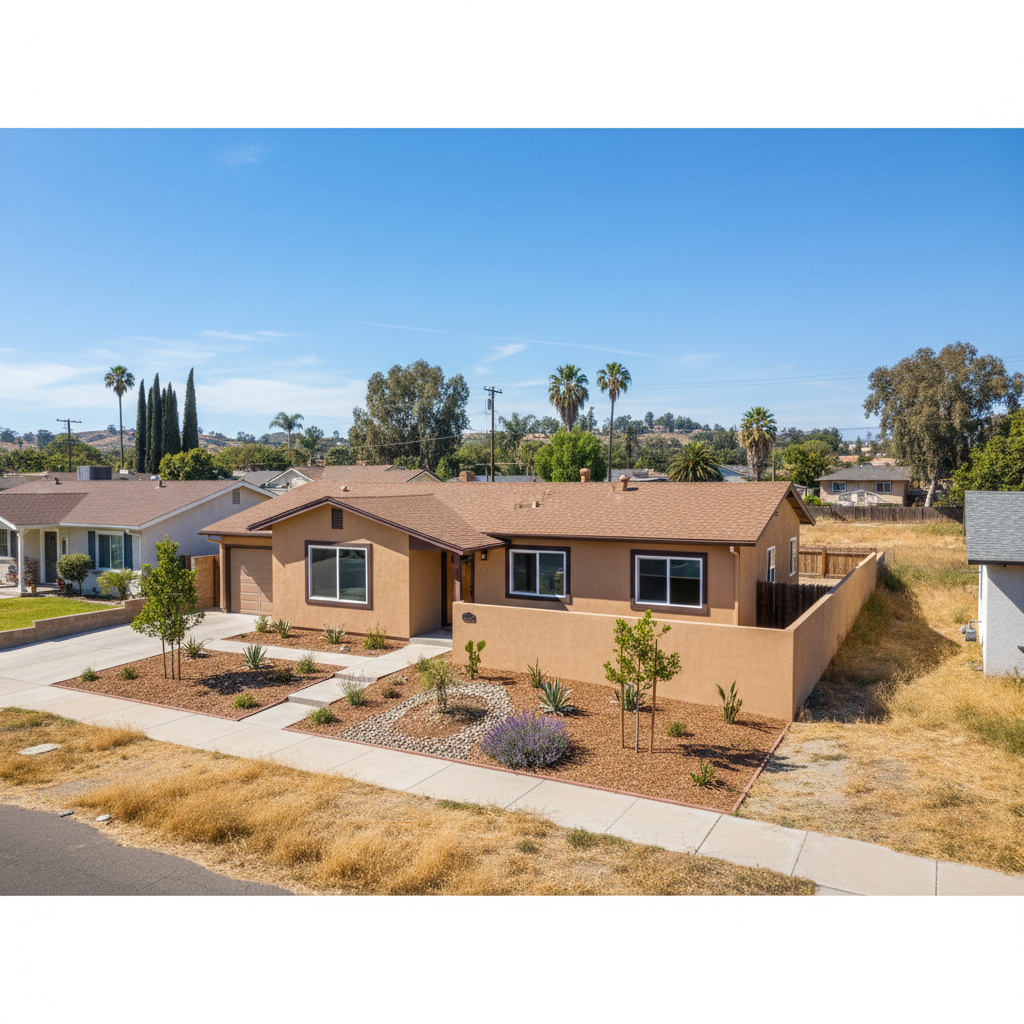
So, you're looking at your house, maybe it's an older place in the Wood Streets or a tract home from the 70s out near La Sierra, and you're thinking, "This stucco has got to go." I hear that a lot. Stucco removal isn't a small decision, and it's definitely not a DIY weekend project, especially when you consider what we deal with here in Riverside.
Why Take Off Stucco Anyway?
People usually want to remove stucco for a few main reasons. Sometimes it's just old and tired. You've got cracks everywhere, maybe some water damage creeping in, or it's just not holding paint anymore. Other times, folks are going for a completely different look. They want to expose original siding, or they're planning a full exterior remodel that calls for something like board and batten or new stone veneers. It totally changes the character of a home, and I get why you'd want to do it.
We see a lot of homes around here, especially those built in the mid-20th century, that had stucco applied over original wood siding. Sometimes it was for insulation, sometimes for a quick facelift, and sometimes just because stucco was the popular thing. Peeling that back can reveal some beautiful, classic architecture that's been hidden for decades.
It's More Than Just Hitting It with a Hammer
When you decide to remove stucco, you're not just chipping off a layer of plaster. You're dealing with a multi-layered system, and what's underneath can be a real surprise. Here's what we typically run into:
- The Stucco Layers: You've got the finish coat, the base coats, and usually a scratch coat. These are often applied over a wire lath or mesh.
- The Lath: This metal mesh is nailed or stapled directly to the sheathing or studs. It's tough stuff, and removing it often means pulling out thousands of fasteners.
- Building Paper/Moisture Barrier: Underneath the lath, there should be a layer of building paper or a synthetic moisture barrier. This is crucial for keeping water out of your walls. Sometimes, especially on older homes, this might be compromised or even missing.
- The Original Siding/Sheathing: This is what you're hoping to find intact. It could be wood siding, plywood, or even original plaster and lathe on really old homes.
Each of these layers needs careful handling. You can't just go at it with brute force, or you risk damaging the underlying structure, which just adds to your repair bill.
Local Challenges We Face in Riverside
Riverside isn't like other places. We've got our own quirks that make stucco removal a bit more involved:
- Our Climate: The intense heat we get in the summer, followed by cooler, sometimes wet winters, can really bake that stucco on. It makes it brittle, but also means the underlying materials have been exposed to a lot of expansion and contraction over the years. This can lead to more dry rot or compromised wood underneath, especially on the north-facing walls that don't get as much sun to dry out.
- Older Homes & Retrofits: A lot of homes in areas like Victoria Avenue or even some of the older parts of Canyon Crest have seen multiple renovations. Sometimes stucco was added over original wood, sometimes it was a second or third layer of stucco. You never quite know what you're going to find until you start peeling it back. We've seen everything from perfectly preserved redwood siding to old asbestos shingles covered by stucco.
- Dust, Dust, and More Dust: Stucco removal is a dusty business. Our dry climate means that dust really hangs in the air and settles everywhere. We take major precautions to contain it, but it's something you have to plan for, especially with neighbors close by.
Why Local Expertise Matters for This Kind of Work
This isn't just about knowing how to swing a hammer. It's about understanding building science, local construction practices, and what to expect when you open up a wall in a Riverside home. A contractor who's been working here for years, like us at Riverside Stucco & Plastering, has seen it all. We know the common issues with homes built in different decades around here.
For example, we know that if you're taking stucco off a 1950s ranch home in the Arlington area, you might find different framing or sheathing than you would on a 1920s craftsman in the Magnolia Center. We know how to deal with the inevitable surprises, whether it's unexpected dry rot, old electrical conduits, or even just figuring out the best way to transition from the new siding material to existing windows and doors without creating future water problems.
Plus, we're familiar with local permitting requirements. Depending on what you find and what you're putting back, you might need permits. We can guide you through that process, which saves you a lot of headaches.
What Happens After the Stucco Comes Off?
Once the old stucco is gone, that's when the real work begins. We'll assess the condition of the underlying structure. Any damaged wood, dry rot, or compromised sheathing needs to be repaired or replaced. We'll also make sure your moisture barrier is up to snuff – this is critical for the long-term health of your home. Then, you're ready for whatever new exterior finish you've dreamed up.
It's a big project, no doubt. But with the right team, it can transform your home and bring out its true character. If you're thinking about stucco removal here in Riverside, give us a call. We're happy to come out, take a look, and give you an honest assessment of what you're getting into.